

When was your last screening?
If you do not remember, now is a good time. Find out which screening to have and when.
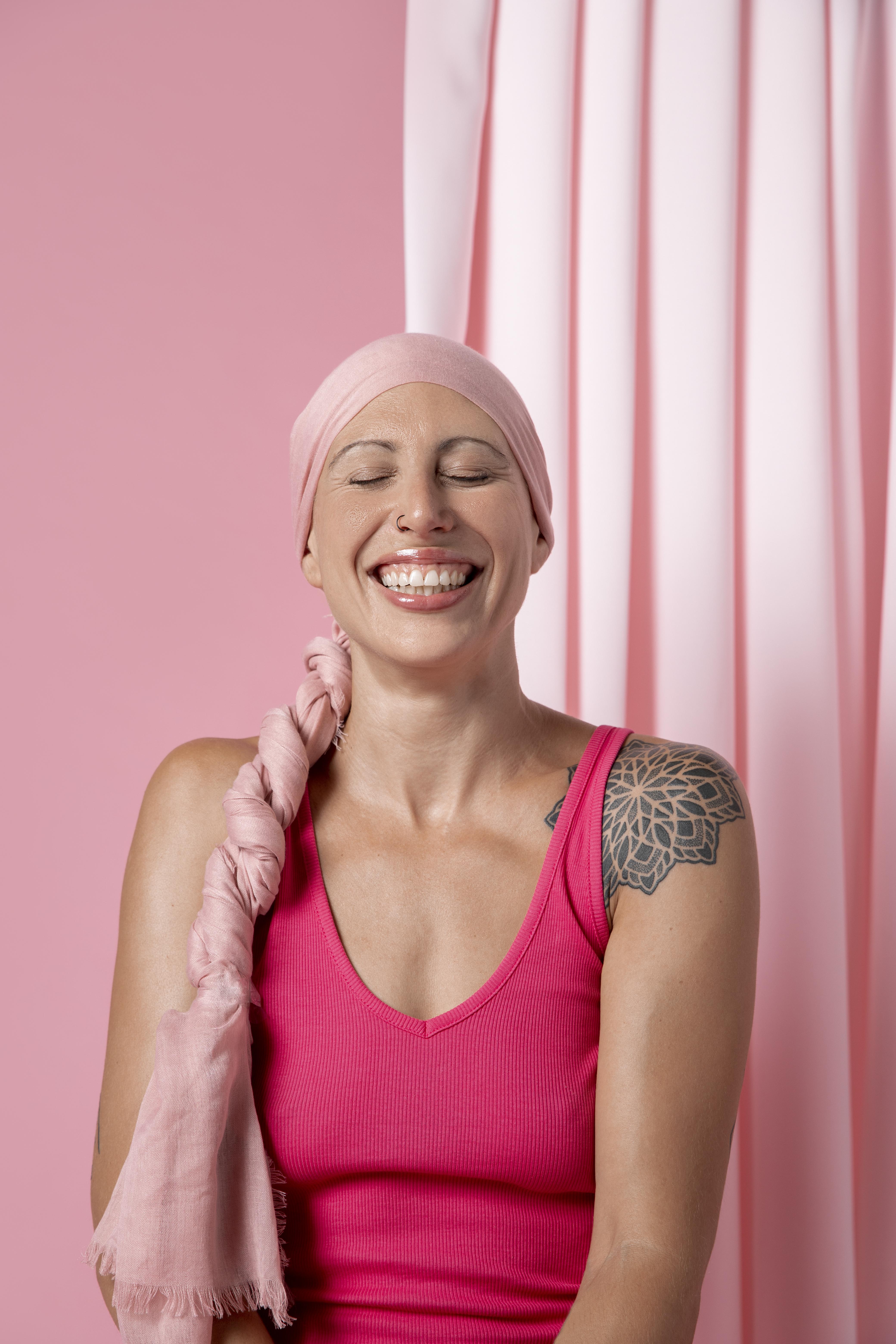
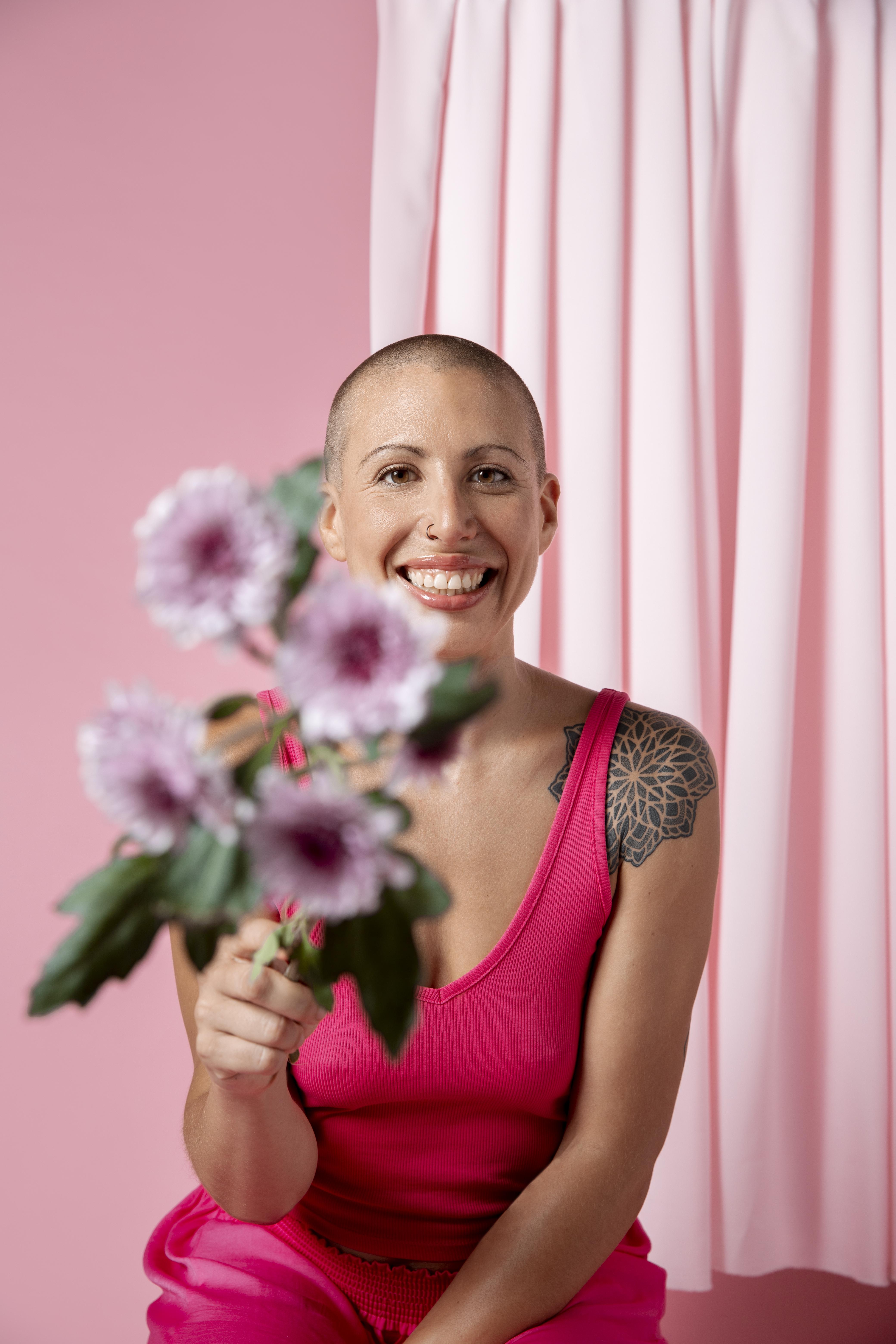
Are you 45–74? You can use the breast cancer screening programme.
Check your breasts once a month, preferably a few days after your period, when they are least swollen. Look at and feel both breasts and your armpits, noticing lumps, thickening, or changes in the skin or nipple. The aim is to know what is normal for you—not to diagnose yourself.
Book an appointment with your family doctor or gynaecologist. Do not delay or wait for it to hurt. If needed, the doctor may refer you for a breast ultrasound, which can be clearer than mammography for younger women and dense breasts.
Treatment can change your hair, scalp, and whole body, and some effects can last much longer than therapy itself. Hair loss is not always just a “temporary inconvenience”; a scar can affect everyday comfort, and the effects of surgery may require further rehabilitation. It helps to know what to expect and where to find support.
It is worth thinking about hair before it starts falling out. Trichology care can support a patient before, during, and after treatment as hair grows back. Patients undergoing treatment may be entitled to a wig subsidy. Trichology does not replace medical care, but can complement it.
A scar is not only about appearance. It can pull, restrict movement, and affect daily life long after surgery. Rehabilitation and physiotherapy can be an important part of returning to function. Work on the scar’s appearance may accompany them, but never replaces them.
Recovery does not have to end with the last stage of treatment. Breast reconstruction can also be performed later and may include balancing the other breast. Options also exist for hair, scars, and restoring the appearance of the areola. You do not have to do everything, and you do not have to do anything immediately.
One option after breast reconstruction is medical pigmentation, which can optically restore the appearance, colour, and shape of the areola. For some patients it may be a final reconstruction stage; others may not need it. The decision belongs to the patient, and eligibility depends on completed treatment and tissue condition.
Finishing treatment does not automatically mean every procedure is safe. Healing, ongoing treatment, infections, immune status, and clotting problems all matter. Particular caution is needed for the operated side and when lymphoedema is present. Readiness should be decided by the patient’s individual situation and medical team—not by the calendar or a clinic.
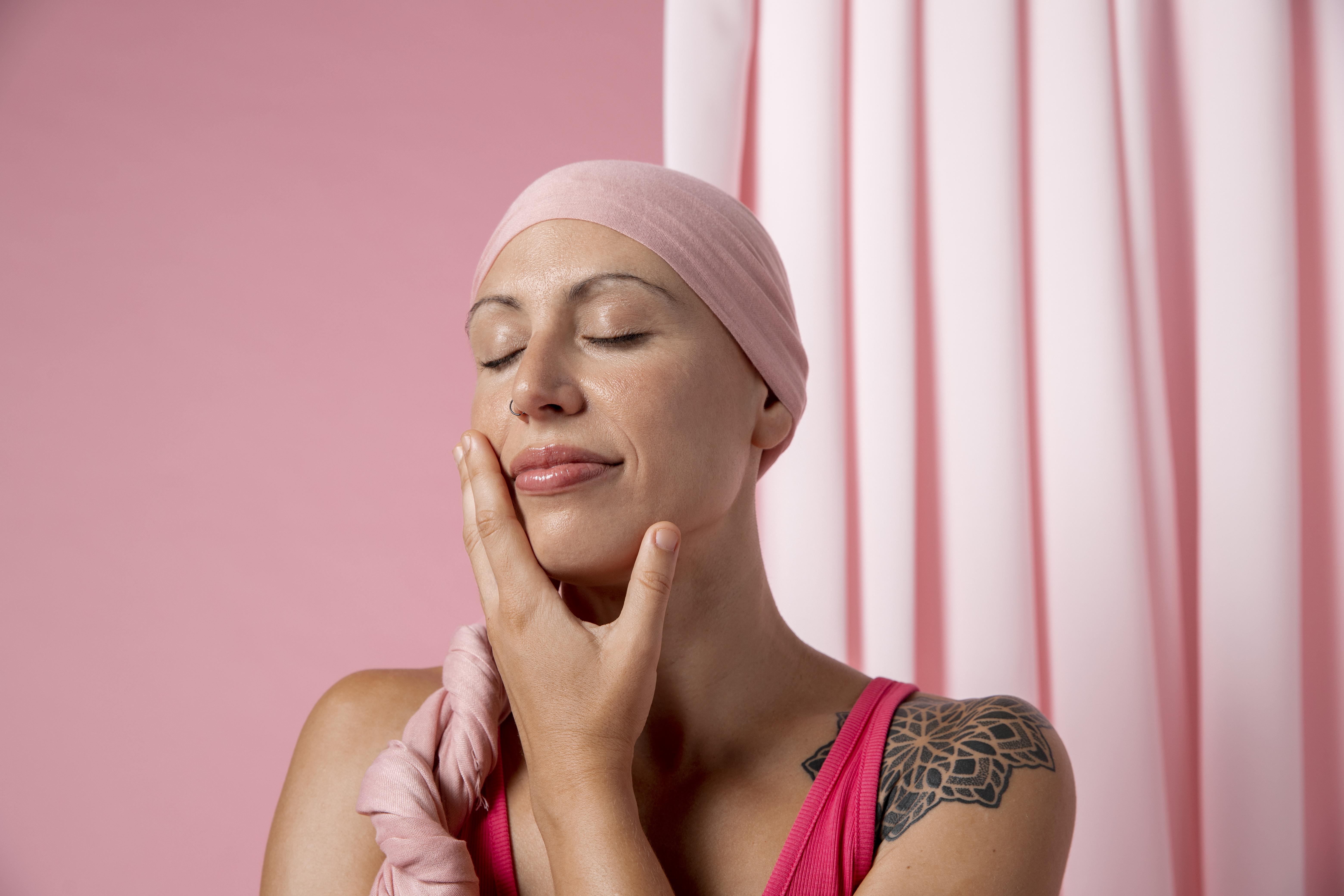


Send someone a reminder
1.3 million women received a mammogram reminder by text. Only one in three still attends screening. A reminder is easy to ignore. A message from a daughter is harder to ignore.
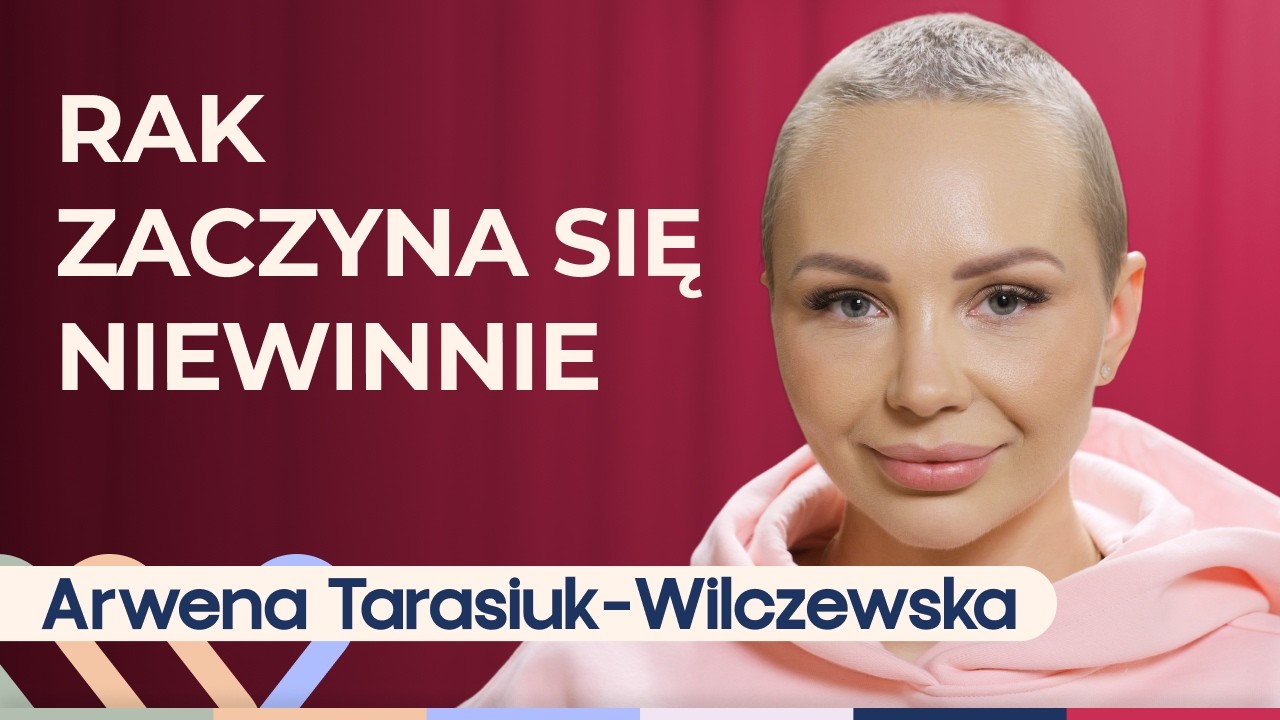
This page was created with people who work with women after cancer treatment: Arwena Taraiusk (oncology trichology), dr Migaczewski (surgical oncology) and Daria Juralowicz (medical pigmentation).
The campaign was funded by Kwadron, a manufacturer of tools for medical tattoo artists. You will not find an offer or product here—and that is how it should be. The tools our clients use every day to enhance appearance are also used for restoration. That is what this campaign is about.
All figures come from the sources listed with each number: WHO, the National Cancer Registry, NFZ, AOTMiT, and peer-reviewed medical publications.
If you do not remember, now is a good time to book your next one.